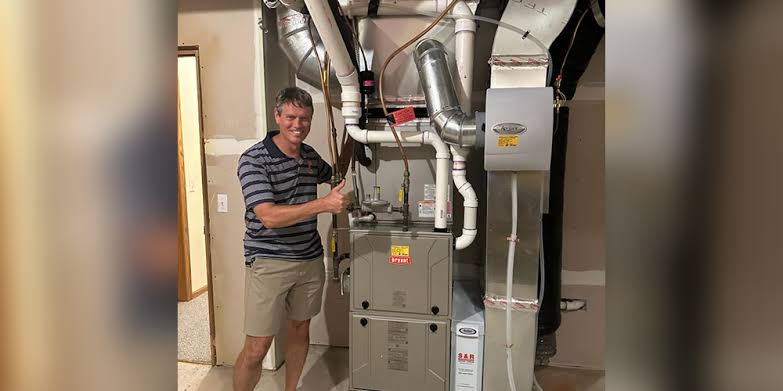
Indoor air quality has become an important concern for modern homeowners because people spend a significant amount of time inside their homes. Dust, allergens, pet particles, odors, and airborne pollutants can accumulate over time, affecting comfort and creating an unhealthy indoor environment. While regular cleaning helps reduce visible dust, many airborne particles remain unnoticed and continue circulating through indoor spaces.
Home air purification systems provide an effective solution by improving the quality of the air throughout the property. These systems work alongside existing ventilation and HVAC equipment to capture unwanted particles, reduce pollutants, and create a cleaner living environment. With the right combination of filtration, air circulation improvements, and smart technology, homeowners can significantly improve indoor air conditions while making their homes more comfortable.
Understanding the Importance of Indoor Air Purification
Indoor air can sometimes contain higher levels of pollutants compared to outdoor air because modern homes are designed to be more energy efficient and tightly sealed. While improved insulation and sealing help reduce energy loss, they can also limit natural air exchange if proper ventilation is not provided.
Common indoor air pollutants include dust particles, pollen, mold spores, bacteria, pet dander, smoke particles, and chemical compounds released from furniture, cleaning products, and building materials.
A quality air purification system helps reduce these unwanted elements by continuously filtering and cleaning the air that circulates throughout the home. This creates a fresher indoor environment and helps protect the condition of the property by reducing dust buildup on surfaces.
Upgrade HVAC Filtration Systems for Better Air Cleaning
The HVAC system plays an important role in maintaining indoor air quality because it circulates air throughout the entire home. Upgrading the filtration system is one of the simplest improvements homeowners can make to reduce airborne particles.
Standard air filters often capture larger dust particles, but advanced filters are designed to trap smaller pollutants more effectively. Choosing the correct filtration level is important because extremely restrictive filters may reduce airflow if the HVAC system is not designed to handle them.
Homeowners should consider:
- High-efficiency air filters designed for residential HVAC systems
- Regular filter replacement schedules
- Filters suitable for household allergies and pollution levels
- Professional HVAC inspections for airflow performance
A properly maintained filtration system improves air quality while helping the heating and cooling system operate more efficiently.
Install Whole House Air Purification Systems
Whole house air purification systems provide a comprehensive approach to improving indoor air because they treat air throughout the entire property rather than focusing on individual rooms.
These systems are typically installed within the HVAC system and clean air as it moves through ventilation pathways. Unlike portable air purifiers that only cover limited areas, whole house systems provide continuous air treatment across multiple rooms.
Different technologies are available depending on the home’s needs, including advanced filters, UV air cleaners, electronic air cleaners, and systems designed to reduce specific pollutants.
Whole house purification is especially useful for homeowners who want consistent air quality improvements throughout bedrooms, living areas, kitchens, and other frequently used spaces.
Use HEPA Filtration to Capture Fine Airborne Particles
HEPA filtration technology is widely recognized for its ability to capture very small airborne particles. These filters are designed to trap tiny contaminants that traditional filters may allow to pass through.
HEPA-based purification systems can help reduce:
- Fine dust particles
- Pollen
- Pet allergens
- Mold spores
- Other microscopic airborne particles
For homes with pets, allergy concerns, or high dust levels, improved filtration can create a noticeable difference in indoor comfort.
However, homeowners should ensure that their HVAC system is compatible with high-efficiency filtration because airflow requirements vary between systems.
Improve Air Circulation Throughout the Home
Air purification works most effectively when clean air can circulate properly throughout the property. Poor airflow can create areas where dust and pollutants accumulate more easily.
Improving circulation does not always require major renovation. Simple changes such as keeping vents clear, maintaining HVAC equipment, and improving ventilation pathways can make a significant difference.
Additional improvements may include:
- Balanced air distribution between rooms
- Properly positioned air return vents
- Ceiling fans for better air movement
- Ventilation improvements in kitchens and bathrooms
Better circulation allows purification systems to process more air and maintain consistent indoor conditions.
Add UV Air Purification Technology
Ultraviolet air purification systems use UV-C light technology to target certain microorganisms as air passes through the HVAC system. These systems are often used as an additional layer of protection alongside traditional filtration.
UV technology can help reduce the presence of certain biological contaminants by disrupting their ability to grow and reproduce.
Many homeowners combine UV purification with high-quality filters to create a more complete indoor air improvement strategy.
Control Indoor Dust With Better Home Design Choices
While air purification systems help remove airborne particles, reducing dust sources inside the home can improve overall results. Many everyday household items contribute to dust accumulation.
Carpets, fabric furniture, curtains, and cluttered storage areas can collect dust and release particles back into the air.
Homeowners can reduce dust levels by:
- Choosing easy-to-clean flooring materials
- Cleaning HVAC vents regularly
- Washing fabrics frequently
- Reducing unnecessary clutter
- Using entrance mats to limit outdoor dirt
Combining cleaning habits with air purification creates a more effective approach to maintaining cleaner indoor air.
Improve Humidity Control for Better Air Quality
Humidity levels have a direct impact on indoor air quality. Excess moisture can encourage mold growth, while extremely dry air can increase dust movement and discomfort.
Maintaining balanced humidity helps air purification systems perform more effectively and creates a healthier indoor environment.
Humidity control improvements may include:
- Whole house dehumidifiers
- Proper ventilation systems
- Smart humidity monitoring devices
- Moisture control improvements in basements and bathrooms
Balanced humidity reduces conditions that contribute to indoor air quality problems.
Consider Smart Air Quality Monitoring Systems
Modern technology allows homeowners to monitor indoor air conditions in real time. Smart air quality monitors can measure factors such as airborne particles, humidity levels, and pollutant concentration.
These devices help homeowners understand when air quality changes and when purification systems need additional support.
Smart monitoring features may include:
- Mobile notifications
- Automatic purifier adjustments
- Indoor air quality reports
- Integration with smart home systems
By understanding indoor conditions, homeowners can make better decisions about ventilation and purification needs.
Maintain Air Purification Systems for Long-Term Performance
Regular maintenance is essential for ensuring that air purification systems continue working effectively. Filters, sensors, and purification components require periodic attention to maintain performance.
Neglecting maintenance can reduce system efficiency and allow pollutants to continue circulating indoors.
Important maintenance practices include:
- Replacing filters according to manufacturer recommendations
- Cleaning air vents and ducts
- Inspecting purification components
- Scheduling HVAC system checks
A properly maintained system provides more reliable air quality improvements and extends equipment lifespan.
Choose the Right Air Purification Solution for Your Home
Every home has different air quality challenges depending on location, construction style, household activities, and occupant needs. There is no single purification solution that works perfectly for every property.
Before investing in an air purification upgrade, homeowners should consider the size of the home, existing HVAC equipment, common air quality problems, and long-term maintenance requirements.
A customized approach provides better results because it addresses the specific causes of indoor air concerns rather than treating symptoms only.
Final Thoughts
Improving indoor air quality through home air purification systems can create a cleaner, more comfortable, and healthier living environment. By combining better filtration, improved ventilation, humidity control, and smart monitoring, homeowners can reduce dust, limit airborne pollutants, and improve the overall quality of the air inside their homes.
A well-designed air purification strategy is not only about removing visible dust. It is about creating a home environment where families can enjoy better comfort, improved freshness, and long-term protection against common indoor air quality challenges.
Frequently Asked Questions (FAQs)
How does a home air purification system reduce dust?
A home air purification system captures airborne dust particles through filters and cleaning technologies, preventing them from continuously circulating throughout the home.
Is a whole house air purifier better than a portable air purifier?
A whole house air purifier generally provides wider coverage because it works with the HVAC system to clean air throughout the property, while portable units usually focus on individual rooms.
How often should air purifier filters be replaced?
Filter replacement depends on the filter type, household conditions, and manufacturer recommendations. Homes with pets, allergies, or high dust levels may require more frequent replacement.
Can air purification systems improve allergy-related indoor air problems?
Yes, advanced filtration systems can reduce common airborne allergens such as pollen, dust particles, and pet dander, helping create a more comfortable indoor environment.
Do air purification systems reduce energy efficiency?
When properly installed and maintained, air purification systems should not significantly reduce energy efficiency. In some cases, cleaner HVAC operation can improve overall system performance.