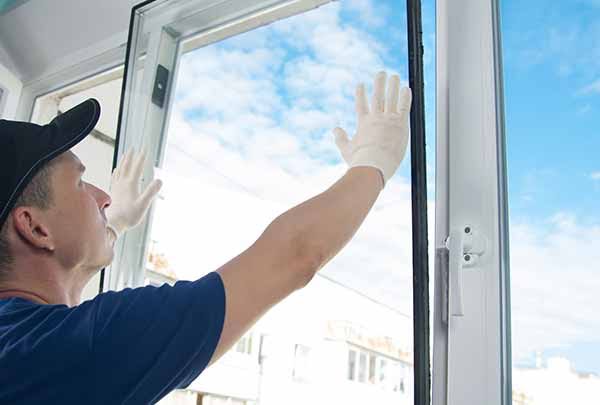
Windows are one of the most important parts of any home renovation project. Many homeowners focus on walls, flooring, kitchens, and bathrooms while overlooking windows, but the right window choices can significantly improve comfort, energy efficiency, appearance, and long-term property value.
During a renovation, replacing old windows can solve many common problems such as drafts, outside noise, high energy bills, moisture issues, and poor indoor temperature control. However, choosing new windows is not simply about selecting a design that looks attractive. Homeowners need to consider materials, insulation performance, installation quality, maintenance requirements, and overall costs before making a decision.
A well-planned window upgrade can make a home feel brighter, more comfortable, and more efficient while reducing future repair expenses. This guide explains the key factors to consider when choosing windows during a renovation project.
Why Windows Matter During Home Renovation
Windows affect almost every aspect of a home’s performance. They allow natural light into rooms, provide ventilation, protect against weather conditions, and influence indoor temperatures throughout the year.
Older windows are often responsible for heat loss during winter and unwanted heat gain during summer. Single-pane glass, damaged frames, poor sealing, and outdated designs can force heating and cooling systems to work harder.
Replacing inefficient windows during renovation can help homeowners:
- Reduce energy consumption
- Improve indoor comfort
- Increase natural lighting
- Enhance home appearance
- Reduce outside noise
- Improve security
- Increase property appeal
Windows should be viewed as a long-term investment rather than just a decorative upgrade.
Understanding Window Energy Efficiency
Energy efficiency is one of the most important factors when selecting new windows. Modern windows are designed with advanced technologies that help control indoor temperatures and reduce energy waste.
Several features determine how energy-efficient a window is.
Double and Triple Glazing
Traditional windows often use a single layer of glass, which provides limited insulation. Modern windows commonly use double or triple glazing.
Double-glazed windows contain two glass panes separated by an insulating space filled with air or gas. Triple-glazed windows include an additional glass layer for improved insulation.
Benefits include:
- Better temperature control
- Reduced heat transfer
- Improved sound insulation
- Lower heating and cooling costs
For most residential renovation projects, double glazing provides a good balance between performance and cost, while triple glazing is often chosen for extreme climates or high-performance homes.
Low-E Glass Technology
Low-emissivity (Low-E) glass has a special coating that helps control heat movement through the window.
During colder months, it helps keep indoor heat inside. During warmer months, it reduces the amount of external heat entering the home.
This technology improves comfort while allowing natural sunlight to enter rooms.
Window Energy Ratings
Before purchasing windows, homeowners should check energy performance ratings. These ratings provide information about insulation ability, solar heat gain, and overall efficiency.
A higher-performing window may have a higher upfront price, but the savings on energy bills and improved comfort can make it worthwhile over time.
Choosing the Right Window Material
Window frames are available in different materials, and each option has advantages and disadvantages. The best choice depends on budget, climate, maintenance preferences, and home style.
Vinyl Windows
Vinyl windows are among the most popular choices for residential renovations because they offer affordability and low maintenance.
Advantages include:
- Resistant to moisture and corrosion
- Good insulation performance
- Affordable pricing
- No need for regular painting
Vinyl windows work well for homeowners who want practical performance without spending too much on maintenance.
However, color options can be more limited compared with other materials, and lower-quality vinyl products may not provide the same durability as premium options.
Wood Windows
Wood windows are a traditional choice known for their natural beauty and timeless appearance.
Advantages include:
- Classic aesthetic appeal
- Excellent insulation properties
- Suitable for historic homes
- Can be painted or stained
Many homeowners choose wood windows when renovating older properties where maintaining original character is important.
The main drawback is maintenance. Wood requires regular sealing and protection to prevent damage from moisture, insects, and weather exposure.
Aluminum Windows
Aluminum windows are strong, lightweight, and commonly used in modern architectural designs.
Benefits include:
- Slim frame designs
- Strong durability
- Low maintenance
- Large glass areas
However, aluminum naturally conducts heat, so high-quality versions usually include thermal breaks to improve insulation.
Fiberglass Windows
Fiberglass windows are becoming increasingly popular because they combine strength, durability, and energy efficiency.
Benefits include:
- Long lifespan
- Resistance to temperature changes
- Low expansion and contraction
- Strong insulation performance
Although fiberglass windows usually cost more than vinyl, they can provide excellent long-term value.
Comparing Window Costs
Window replacement costs vary depending on size, material, glass type, design, and installation complexity.
Basic windows may be affordable, while premium options with advanced glass technology and custom designs can become a significant renovation expense.
Factors that influence total cost include:
- Number of windows being replaced
- Window size and shape
- Frame material
- Glass technology
- Installation labor
- Additional structural work
- Custom designs
Homeowners should avoid choosing windows only based on the lowest price. Extremely cheap products may result in poor insulation, frequent repairs, and shorter lifespans.
A better approach is to compare overall value, including durability, energy savings, and maintenance requirements.
Window Styles and Their Practical Uses
Different window styles provide different benefits depending on the room and purpose.
Casement Windows
Casement windows open outward using a handle mechanism. They provide excellent ventilation and create a strong seal when closed.
They are suitable for bedrooms, living rooms, and areas where airflow is important.
Sliding Windows
Sliding windows move horizontally and are easy to operate. They are commonly used where exterior space is limited.
Double-Hung Windows
Double-hung windows allow both the upper and lower sections to move, providing flexible ventilation options.
They are popular in traditional home designs.
Picture Windows
Picture windows do not open but provide large views and maximum natural light. They are often combined with other window types for better functionality.
The Importance of Professional Window Installation
Even the highest-quality window will perform poorly if it is installed incorrectly.
Poor installation can lead to:
- Air leaks
- Water damage
- Condensation problems
- Reduced energy efficiency
- Difficult operation
Professional installers understand proper sealing methods, insulation techniques, and structural requirements.
During renovation, homeowners should also check whether existing window openings require repairs before installing new units.
Window Maintenance Tips for Long-Term Performance
Proper maintenance helps windows last longer and maintain their efficiency.
Some simple maintenance practices include:
- Cleaning glass regularly
- Checking seals for damage
- Removing dirt from tracks
- Inspecting frames for cracks or moisture problems
- Replacing damaged weather stripping
- Lubricating moving parts when needed
Wood windows usually require more maintenance than vinyl or fiberglass options, while aluminum and vinyl generally need less attention.
Common Mistakes to Avoid When Choosing Windows
Many renovation mistakes happen because homeowners focus only on appearance or initial cost.
Common mistakes include:
- Ignoring energy ratings
- Choosing the wrong material for the climate
- Buying low-quality products without warranties
- Forgetting installation costs
- Selecting style over functionality
- Replacing windows without checking structural conditions
A window should match both the design and performance needs of the home.
Final Thoughts
Choosing the right windows during a renovation requires careful consideration of energy efficiency, materials, costs, design, and maintenance. The ideal window choice depends on your home’s location, budget, style, and long-term goals.
Energy-efficient windows can improve comfort, reduce utility expenses, and add value to your property. Whether you choose vinyl, wood, aluminum, or fiberglass, investing in quality products and professional installation will help ensure better performance for many years.
Windows are more than just openings in your walls. They are an important part of your home’s comfort, efficiency, security, and overall character. A thoughtful window upgrade can transform the way your home looks and feels while making it more practical for everyday living.