
Hearing plays an important role in communication, work, learning and everyday social interaction. An audiometry test is one of the most useful ways to assess how well a person can hear different sounds and frequencies. By identifying changes in hearing ability, this type of assessment can help people better understand their hearing health and determine whether further support may be appropriate.
What Is an Audiometry Test?
An audiometry test is a hearing assessment designed to measure a person’s ability to detect sounds at different frequencies and volumes. During the test, the individual may listen to a series of tones through headphones or earphones and respond whenever a sound is heard.
The results are typically recorded on an audiogram, which provides a visual representation of hearing sensitivity across different frequencies. This information can help identify whether hearing is within the expected range or whether there are signs of hearing loss.
Because hearing can change gradually, regular assessments can be useful even when someone does not notice an obvious difference in their ability to hear.
Why Is Hearing Testing Important?
Many people associate hearing loss with difficulty hearing loud sounds, but changes in hearing can be more subtle. Someone may be able to hear sounds but struggle to understand conversations in busy environments, follow discussions when several people are speaking or distinguish certain words clearly.
A hearing assessment can provide a clearer picture of these changes. Rather than relying solely on personal perception, an audiometry test provides measurable information about hearing sensitivity.
Early awareness can also encourage people to pay closer attention to their hearing habits. If changes are identified, an appropriate professional can explain the findings and discuss possible next steps.
What Happens During the Test?
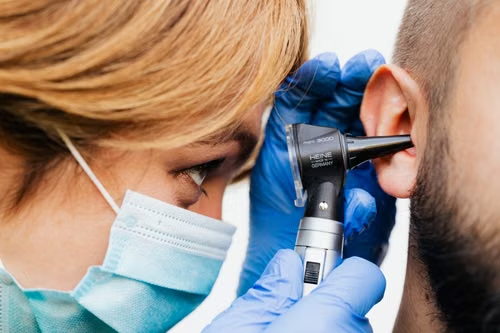
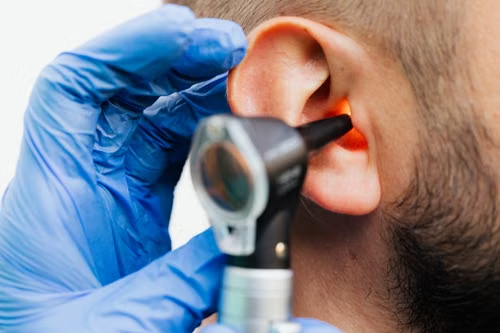
A typical hearing assessment begins with questions about the person’s hearing experiences, lifestyle and any concerns they may have noticed. This may be followed by an examination of the ears before the hearing test itself takes place.
During pure-tone audiometry, headphones or earphones are commonly used to present sounds at different pitches and volumes. The person being tested responds when they hear each tone. The responses help determine the softest sounds that can be heard at various frequencies.
The process is generally straightforward and does not require significant preparation. The most important part is to listen carefully and respond consistently throughout the assessment.
Who Should Consider a Hearing Assessment?
People of different ages can benefit from having their hearing checked. Adults who frequently experience difficulty following conversations, ask others to repeat themselves or regularly increase the volume of televisions and devices may want to consider a hearing assessment.
Hearing tests can also be useful for people who work in environments with frequent exposure to loud machinery, music or other high-volume sounds. Regular monitoring can help individuals stay aware of potential changes over time.
Older adults may also benefit from routine hearing checks, as hearing sensitivity can naturally change with age. Children and young people may require hearing assessments when there are concerns about communication, learning or responses to sound.
Signs That You May Need Your Hearing Checked
Hearing changes are not always immediately obvious. Some common signs that may suggest it is worth arranging a hearing assessment include frequently asking people to repeat themselves, finding conversations difficult in noisy places or having trouble following group discussions.
Other signs can include relying heavily on subtitles, turning up the television volume or feeling that people are speaking unclearly. Some individuals may also notice ringing or other sounds in the ears.
These experiences can have different causes, so a hearing assessment can be a useful starting point for understanding what may be happening.
The Benefits of Monitoring Hearing Over Time
A single hearing assessment provides useful information, but monitoring hearing over time can offer additional insight. Comparing results from different assessments may help identify changes that could otherwise go unnoticed.
Keeping track of hearing health can also encourage people to make informed decisions about protecting their ears. Simple habits such as taking breaks from loud environments, using suitable hearing protection and keeping personal audio at reasonable levels can support better hearing habits.
For people who already have concerns about their hearing, professional guidance can help them understand their options based on their individual results.
Preparing for an Audiometry Test
There is usually little preparation required for an audiometry test. It can be helpful to think about any hearing difficulties experienced recently and mention them during the appointment. This may include difficulty hearing certain voices, problems understanding speech in noisy settings or exposure to loud sounds.
Providing relevant information can help the hearing professional understand the person’s concerns and place the test results in context.
It is also useful to remain relaxed during the assessment. The test depends on accurate responses, so following the instructions carefully can help produce reliable results.
Conclusion
Hearing affects many areas of daily life, from conversations and professional communication to entertainment and social activities. An audiometry test offers a practical way to measure hearing ability and identify changes that may not always be easy to recognise on a day-to-day basis.
Regular hearing assessments can help people stay informed about their hearing health and take appropriate steps when changes are identified. Whether someone has noticed specific hearing difficulties or simply wants to monitor their hearing, a professional assessment can provide valuable information and greater awareness.