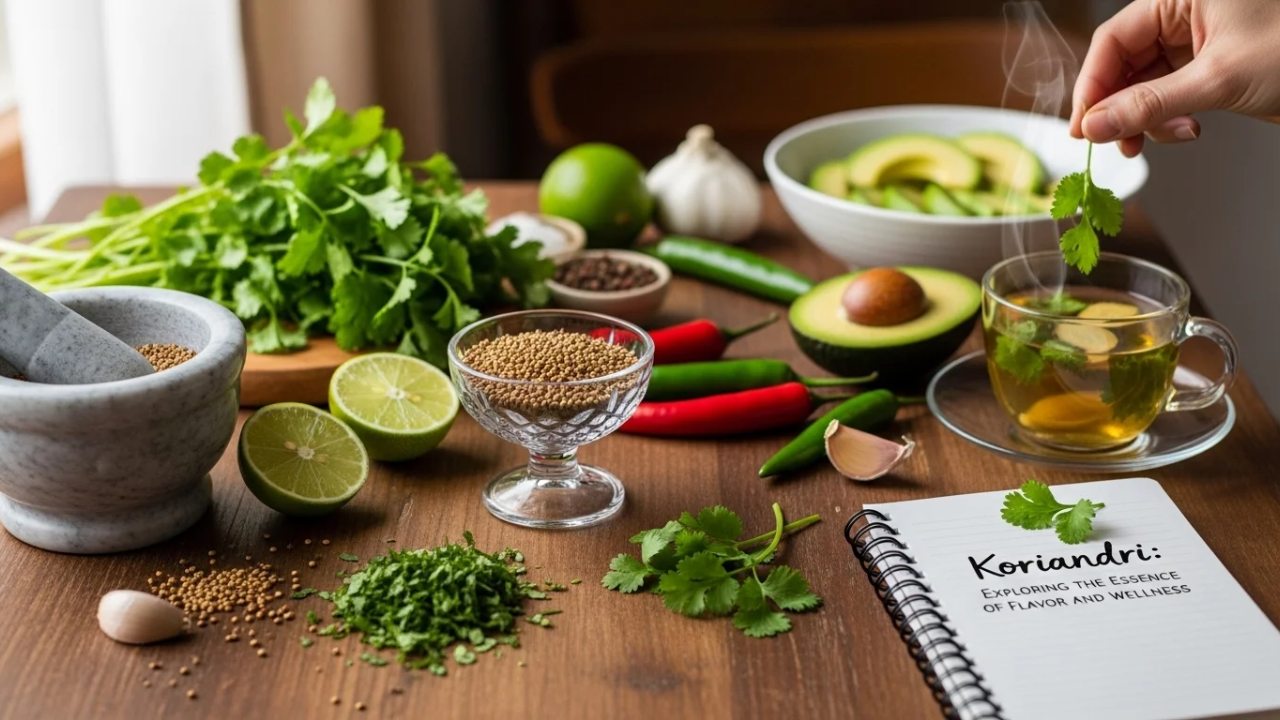
When we talk about simple herbs that quietly shape cuisines around the world, koriandri stands out as one of the most familiar and loved. Many of us know it by its scientific name Coriandrum sativum, and depending on where we live, we may call its leaves cilantro, coriander leaves, or simply green coriander. No matter the name, koriandri has become an essential part of kitchens, cultures, and traditional wellness practices.
At first glance, koriandri might look like just another green herb sitting in a market basket. But once we start exploring it, we realize it carries a long story—one that moves through ancient farms, spice markets, family recipes, and modern kitchens. It offers flavor, fragrance, and surprising health benefits, making it far more than a garnish.
In this guide, we will explore koriandri from every angle—its origins, its flavors, how we grow it, how we cook with it, and why people have valued it for centuries. By the end, we may see this humble herb with completely new appreciation.
Overview
Koriandri is an annual herb belonging to the Apiaceae family, the same plant family that includes parsley, carrots, celery, and dill. What makes koriandri interesting is that every part of the plant can be used.
The leaves are fresh and aromatic, commonly used as cilantro. The seeds, once dried, become what we know as coriander spice. Even the stems and roots can add flavor to dishes in certain cuisines.
The plant itself grows quickly and usually reaches 30 to 60 centimeters in height. Its leaves are soft and delicate, while the plant eventually produces tiny white or pale pink flowers that later form coriander seeds.
Because koriandri grows fast and adapts easily to many climates, it has spread across the world and now appears in cuisines from Asia to Europe and the Americas.
Origins
The history of koriandri stretches back thousands of years. Archaeologists have even found coriander seeds in ancient burial sites, suggesting that people valued the plant not just for cooking but possibly for medicinal or ceremonial reasons.
Many historians believe koriandri originally grew in the Mediterranean region and parts of Western Asia. From there, it gradually spread through trade routes, especially during ancient spice trade periods.
Merchants carried coriander seeds along with spices like cumin and pepper. As these traders moved between regions, koriandri naturally became part of new food traditions.
Over centuries, koriandri found a place in the cooking styles of:
• Middle Eastern cuisine
• South Asian dishes
• Latin American cooking
• Southeast Asian food
• European recipes
Today it is one of the most widely recognized herbs on the planet.
Plant
Understanding the plant itself helps us appreciate koriandri even more.
The koriandri plant begins as a cluster of bright green leaves that resemble parsley. These leaves are soft and thin, giving them a delicate appearance.
As the plant matures, its stems become taller and more slender. The upper leaves look different from the lower ones—they become thinner and more feathery.
Eventually, the plant produces small umbrella-shaped flower clusters, which are typical for plants in the Apiaceae family. These flowers later develop into coriander seeds.
Once seeds form, the plant completes its life cycle since it is an annual herb.
Flavor
One of the reasons koriandri is so famous is its unique flavor profile.
Fresh koriandri leaves have a bright, citrus-like, slightly peppery taste. The aroma is fresh and green, making it perfect for finishing dishes or adding freshness to heavy meals.
Interestingly, not everyone experiences the same flavor. Some people say koriandri tastes refreshing, while others feel it has a soapy taste. This difference is often linked to genetics that affect how people perceive certain aromatic compounds.
Coriander seeds, however, taste completely different. Once dried and ground, they offer a warm, nutty, slightly sweet spice flavor.
So one plant gives us two very different tastes.
Leaves
The leaves are the most commonly used part of koriandri in daily cooking.
Fresh coriander leaves are often added at the end of cooking so their flavor remains bright and vibrant. Heat can reduce their aroma if cooked too long.
We commonly see koriandri leaves used in:
• Fresh salads
• Soups and broths
• Rice dishes
• Salsas and chutneys
• Noodle dishes
• Street food toppings
Many chefs also use chopped koriandri leaves to add color and freshness to plates.
The leaves are rich in natural oils that produce the herb’s signature aroma.
Seeds
Coriander seeds are equally valuable and widely used as a spice.
Once the koriandri plant flowers and the seeds dry, they can be harvested and stored for months. These seeds are small, round, and light brown.
When crushed or ground, they release a warm and citrusy fragrance.
Coriander seeds appear in many spice blends, including:
• Curry powders
• Pickling spices
• Middle Eastern spice mixes
• Marinades and rubs
To enhance flavor, many cooks lightly toast coriander seeds before grinding them.
Roots
While less common in many countries, koriandri roots are highly valued in some Asian cuisines.
The roots have a deeper, stronger flavor than the leaves. When crushed or blended into pastes, they add richness to soups, sauces, and marinades.
For example, some traditional dishes use coriander root as a base ingredient along with garlic and pepper.
This shows how versatile the koriandri plant truly is.
Cultivation
One reason koriandri became so popular worldwide is how easy it is to grow.
The plant thrives in cool to moderate temperatures and prefers well-drained soil with good sunlight. Because it grows quickly, many gardeners can harvest leaves within three to four weeks after planting.
Basic cultivation steps include:
- Plant seeds directly in soil
- Water lightly but consistently
- Provide partial to full sunlight
- Harvest leaves regularly
When the weather becomes too hot, the plant may begin flowering quickly, which is called bolting. Once this happens, leaf production slows as the plant focuses on seed development.
Many home gardeners plant koriandri multiple times during the season to ensure a continuous harvest.
Kitchen
In the kitchen, koriandri is one of the most flexible herbs available.
Because it pairs well with many ingredients, cooks use it across many styles of cooking. It can balance spicy dishes, add freshness to grilled foods, or brighten rich stews.
Common uses include:
• Garnishing curries
• Mixing into rice dishes
• Blending into sauces
• Adding to tacos or wraps
• Stirring into soups
The herb’s fresh taste often acts like a finishing touch that ties a dish together.
Global
Koriandri plays a role in food traditions across the globe.
In South Asia, fresh coriander leaves appear in chutneys, biryanis, and lentil dishes. In Mexican cuisine, cilantro is a staple ingredient in salsa and tacos.
Middle Eastern cooking often uses coriander seeds in spice blends and meat dishes. Southeast Asian cuisine frequently combines coriander leaves and roots in soups and sauces.
This global presence shows how adaptable koriandri is.
Different cultures may use different parts of the plant, but the herb remains equally important everywhere.
Nutrition
Beyond flavor, koriandri also offers valuable nutrients.
The leaves contain vitamins and minerals that contribute to a healthy diet. They are especially known for providing:
• Vitamin C
• Vitamin K
• Vitamin A
• Potassium
• Antioxidants
Because the leaves are low in calories, they can enhance meals without adding heavy nutritional load.
Coriander seeds also contain beneficial compounds, including natural oils that support digestion.
Benefits
Traditional wellness practices have used koriandri for generations.
Many cultures believe the herb supports digestion and helps balance certain body processes. While modern science continues to study these claims, koriandri has long been used in natural remedies.
Some commonly mentioned benefits include:
• Supporting digestion
• Helping reduce bloating
• Providing antioxidant compounds
• Supporting heart health
• Helping maintain balanced nutrition
Even if someone simply enjoys koriandri for its flavor, they still receive many of its nutritional advantages.
Garden
Growing koriandri at home can be both simple and rewarding.
Even small spaces such as balconies or kitchen windows can support a small pot of coriander. Because the plant grows quickly, it is a favorite among beginner gardeners.
To grow koriandri at home, we usually:
• Choose a small pot with drainage
• Use light, well-draining soil
• Plant seeds about 1 centimeter deep
• Water regularly but avoid overwatering
Within a few weeks, small green leaves begin appearing.
Harvesting leaves regularly encourages the plant to produce more.
Storage
Fresh koriandri leaves are delicate and can wilt quickly if not stored properly.
To keep them fresh longer, many cooks place the stems in a small glass of water and cover the leaves loosely with a plastic bag. Storing them in the refrigerator can extend freshness for several days.
Another method is wrapping the leaves in a damp paper towel and placing them in a sealed container.
Coriander seeds, however, store much longer. When kept in airtight containers away from moisture and sunlight, they can remain flavorful for months.
Culture
Koriandri is more than a cooking ingredient. In many places, it has cultural meaning as well.
Traditional recipes passed down through families often include coriander as a key component. Festivals, celebrations, and street foods frequently feature dishes topped with fresh koriandri leaves.
In some cultures, the herb even appears in herbal remedies and natural wellness traditions.
This cultural presence shows how deeply koriandri is connected to daily life.
Versatility
What makes koriandri special is its ability to play many roles at once.
It can act as:
• A fresh herb
• A dried spice
• A flavor enhancer
• A garnish
• A medicinal herb in traditional practices
Few plants offer this many uses within one small herb.
That versatility explains why koriandri has remained popular across centuries.
Sustainability
Another positive aspect of koriandri is how sustainable it can be to grow.
The plant requires relatively little space and can thrive in small gardens or containers. Because it grows quickly, farmers can harvest multiple crops within a season.
Additionally, every part of the plant can be used, which reduces waste.
Leaves become fresh herbs, seeds become spices, and even roots can be used in certain recipes.
This efficient use of the plant aligns well with modern ideas about reducing food waste.
Future
Even in modern culinary innovation, koriandri continues to evolve.
Chefs experiment with coriander in new ways, blending traditional flavors with modern cooking techniques. From creative sauces to herbal oils and fusion cuisine, koriandri continues to inspire creativity in kitchens worldwide.
Food enthusiasts also explore new ways to grow the herb indoors using hydroponic systems or vertical gardens.
Despite new trends in cooking, koriandri remains rooted in tradition while adapting to modern lifestyles.
Conclusion
Koriandri may appear to be a simple herb, but its story is rich with history, flavor, and versatility. From ancient Mediterranean fields to modern kitchens around the world, this plant has traveled across cultures and generations.
Its bright leaves, aromatic seeds, and even its roots provide countless culinary possibilities. At the same time, its nutritional qualities and traditional uses give it lasting value beyond flavor alone.
When we sprinkle fresh koriandri over a dish or grind coriander seeds into a spice mix, we are participating in a tradition that stretches back thousands of years.
And perhaps that is what makes koriandri so special. It is not just an herb we cook with. It is a small but meaningful connection between nature, culture, and everyday life.
As we continue exploring flavors and cooking traditions, koriandri will likely remain exactly where it has always been—right at the heart of the kitchen.
Keep an eye for more latest news & updates on Vyvymanga!