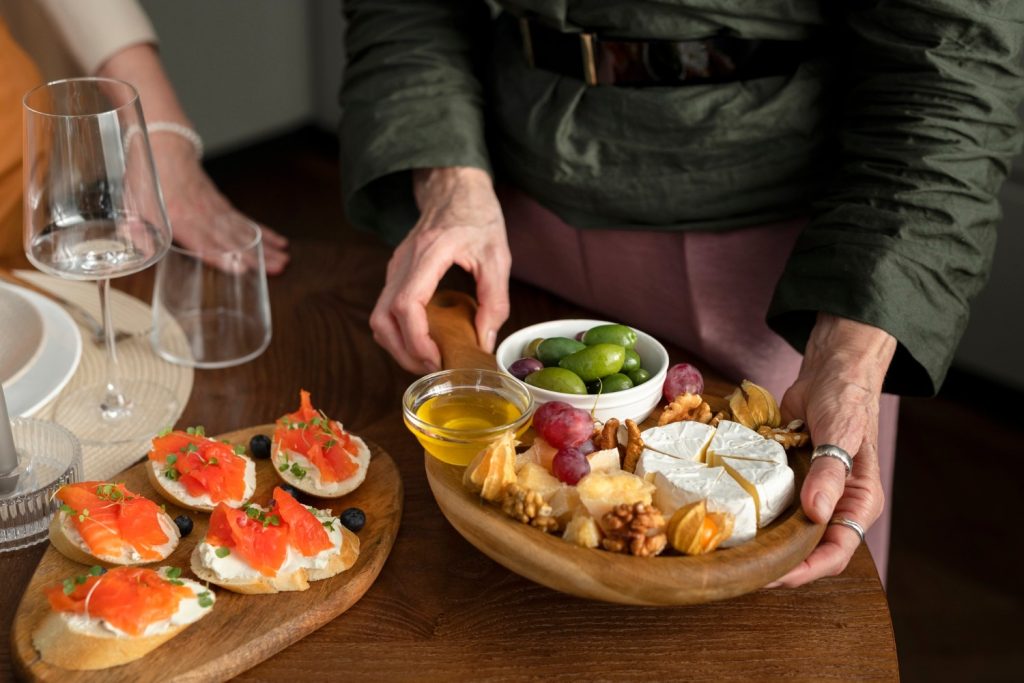
Levapioli is more than just a culinary delight; it’s an experience that brings people together, celebrates heritage, and embodies the rich flavors of the Mediterranean. When we think of Levapioli, we’re not just thinking about food—we’re thinking about tradition, community, and the stories behind every carefully prepared bite. Its unique blend of savory meats, aromatic spices, and rustic preparation methods makes it a dish that transcends ordinary meals and becomes a celebration on the table.
Origins and Cultural Significance
Levapioli traces its roots to Mediterranean kitchens, where food is more than sustenance—it’s culture. Families have passed down the art of making Levapioli for generations, often adjusting recipes slightly with local ingredients, but always keeping the essence intact. This dish reflects a lifestyle that values freshness, balance, and communal dining. In many Mediterranean regions, Levapioli is more than a dish; it’s a centerpiece during gatherings, symbolizing hospitality and the joy of sharing food.
The cultural significance of Levapioli is tied closely to its ingredients. The meats used are often locally sourced, reflecting a respect for seasonal availability and sustainability. Spices are carefully selected to enhance flavors without overwhelming the natural taste of the meats, showcasing the Mediterranean philosophy of harmony in food.
Ingredients That Define Levapioli
At the heart of Levapioli is its selection of ingredients, each chosen for flavor, quality, and authenticity. While recipes may vary slightly by region, we find common elements that make Levapioli distinct:
- Savory Meats: Traditional Levapioli often uses lamb, beef, or chicken, marinated to enhance tenderness and flavor. The meat is usually cut into generous pieces, allowing it to absorb the aromatic blends fully.
- Aromatic Spices: Spices such as paprika, cumin, coriander, and black pepper create a warm, inviting flavor profile. Herbs like rosemary, thyme, and oregano add freshness, linking the dish to its Mediterranean roots.
- Olive Oil: A cornerstone of Levapioli, high-quality olive oil is used for marinating, cooking, and drizzling before serving. Its fruity, rich notes elevate every bite.
- Fresh Vegetables: Onions, bell peppers, tomatoes, and garlic complement the meats, adding depth, color, and nutritional value. These vegetables are often slow-cooked with the meat to infuse the dish with a layered flavor.
- Optional Garnishes: Some variations include lemon zest, fresh parsley, or toasted nuts, adding brightness and texture to the dish.
Preparing Levapioli: Step-by-Step
Making Levapioli is an art, yet approachable for home cooks who appreciate layering flavors and mindful cooking. Here’s a simple way we like to prepare it:
- Marinate the Meat: Combine olive oil, crushed garlic, paprika, cumin, salt, and black pepper. Coat the meat thoroughly and let it marinate for at least two hours, or overnight for deeper flavor.
- Sear for Flavor: In a hot pan, sear the meat until golden brown on all sides. This locks in juices and creates a rich crust.
- Layer Aromatics: Remove the meat briefly, then sauté onions, bell peppers, and tomatoes until soft and fragrant. Herbs are added at this stage to release their essential oils.
- Slow Cook Together: Return the meat to the pan, cover, and simmer gently. This allows the meat to tenderize while absorbing the aromatic vegetables and spices.
- Final Touches: Adjust seasoning with salt and pepper. A drizzle of fresh olive oil or a sprinkle of parsley before serving elevates the dish visually and in taste.
Flavor Profile and Experience
Levapioli is known for its balanced flavor—savory, earthy, and subtly spiced without being overpowering. Each bite tells a story of slow-cooked love and culinary heritage. The meat is tender yet flavorful, the spices harmonize rather than dominate, and the vegetables provide freshness and a natural sweetness that balances the dish. Eating Levapioli is about savoring complexity in simplicity, and it pairs beautifully with rustic bread, couscous, or a light salad.
Variations Across the Mediterranean
Like many traditional dishes, Levapioli has regional variations that reflect local ingredients and tastes:
- Greek Influence: In some Greek kitchens, Levapioli may be served with a touch of feta or a drizzle of yogurt-based sauce, adding creaminess to the savory meat.
- Italian Twist: Italian versions often incorporate tomatoes and a splash of wine in the cooking process, creating a richer, tangier flavor.
- Middle Eastern Inspiration: Some variations include sumac, cinnamon, or allspice, offering a slightly warmer, aromatic depth.
Despite these differences, the essence of Levapioli remains the same: high-quality ingredients, thoughtful preparation, and a dish meant to be shared.
Health Benefits
While Levapioli is undeniably delicious, it’s also nourishing. Lean meats provide protein and essential nutrients, while fresh vegetables offer vitamins and antioxidants. The use of olive oil—a heart-healthy fat—makes it a balanced meal when enjoyed as part of a Mediterranean-style diet. Herbs and spices not only enhance flavor but also provide anti-inflammatory and digestive benefits. In essence, Levapioli is a dish that feeds both body and soul.
Serving Levapioli
Levapioli can be a casual family meal or a festive dish for gatherings. We often serve it with rustic bread to soak up the juices, or over a bed of couscous or rice to complement the savory flavors. A light side salad with fresh greens and a lemon vinaigrette adds brightness and contrasts the richness of the meat. For beverages, dry white wine, herbal teas, or sparkling water help cleanse the palate and enhance the dining experience.
Presentation matters, too. A simple arrangement on a platter, garnished with fresh herbs or a few wedges of lemon, invites conversation and enjoyment. Levapioli is as much about the communal experience as it is about the flavors themselves.
Bringing Levapioli to Modern Kitchens
While Levapioli has deep traditional roots, it also adapts beautifully to modern cooking. Home cooks can experiment with plant-based alternatives, like seitan or mushrooms, while keeping the essence of the spices and preparation techniques intact. Slow cookers and air fryers can make preparation easier without compromising flavor. By embracing both tradition and innovation, Levapioli remains relevant for contemporary tables.
Conclusion:
Levapioli is not just a dish; it’s a celebration of Mediterranean culture, flavor, and togetherness. From its rustic roots to its modern adaptations, it embodies everything we cherish about food: community, heritage, and the joy of eating well. Every bite reminds us that cooking is not just about ingredients—it’s about stories, memories, and the love we put into what we share. Whether enjoyed in a bustling kitchen or at a quiet family table, Levapioli continues to inspire, nourish, and connect people across generations.For those looking to explore the Mediterranean at home, Levapioli offers a perfect gateway—a dish that’s simple to make, yet endlessly rich in flavor and meaning.
Keep an eye for more latest news & updates on Vyvy Manga!