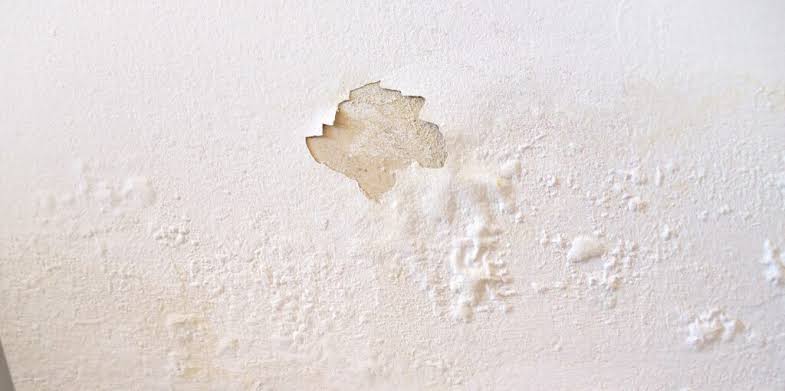
Most homeowners pay attention to obvious problems like a leaking roof, cracked walls, or a dripping faucet. However, one of the most expensive forms of home damage often stays hidden for months—or even years. Moisture trapped behind wall panels can quietly weaken your home’s structure, encourage mold growth, damage insulation, and create unhealthy indoor air without showing obvious signs at first.
By the time stains appear on the wall or the paint starts peeling, the hidden damage may already require costly repairs.
Learning to recognize the earliest warning signs can help you address the problem before it spreads. Whether your home has drywall, wood paneling, PVC wall panels, or decorative wall coverings, knowing what to watch for can save both money and stress.
Why Hidden Wall Moisture Is Such a Serious Problem
Walls are designed to stay dry. When moisture gets trapped inside them, it creates the perfect environment for damage to develop slowly.
Unlike a flooded basement or an overflowing sink, hidden moisture doesn’t always leave visible clues right away. Water can seep into insulation, wood framing, drywall, and electrical areas while remaining completely unseen.
Over time, this can lead to:
- Mold and mildew growth
- Rotting wooden framing
- Damaged insulation
- Higher energy bills
- Unpleasant indoor odors
- Reduced indoor air quality
- Structural weakening
The earlier you discover hidden moisture, the easier and less expensive it is to fix.
Common Sources of Moisture Behind Walls
Understanding where the moisture comes from is the first step toward preventing long-term damage.
Some of the most common causes include:
Plumbing Leaks
Small leaks inside water supply pipes or drain lines can continue unnoticed for months. Even a tiny drip is enough to saturate insulation and drywall over time.
Bathrooms, kitchens, laundry rooms, and utility spaces are especially vulnerable because water lines are hidden inside the walls.
Roof Leaks
Water entering through damaged roofing often travels down wall cavities before becoming visible.
A small roof problem may first appear as hidden moisture several feet away from the actual leak.
Poor Exterior Sealing
Cracked siding, damaged caulking around windows, missing flashing, or gaps around doors allow rainwater to enter wall systems.
Wind-driven rain can slowly penetrate these openings over many seasons.
Condensation
In humid climates, warm indoor air meeting cold wall surfaces can produce condensation.
This moisture may repeatedly collect behind wall panels, especially where insulation is inadequate.
HVAC Problems
Air conditioning drain issues, leaking ducts, or poorly insulated HVAC components sometimes create moisture inside nearby walls.
Early Warning Signs Homeowners Often Ignore
Many moisture problems begin with subtle changes that are easy to overlook.
Recognizing these signs early can prevent major repairs.
A Musty Smell
One of the first indicators of hidden moisture is a persistent musty odor.
Even if the walls look perfectly normal, a damp smell often suggests moisture has been trapped long enough for mold or mildew to begin growing.
If the smell remains after cleaning the room, investigate further.
Paint That Starts Bubbling
Paint usually adheres tightly to a dry wall.
When moisture builds behind it, the paint may begin to:
- Bubble
- Blister
- Peel
- Crack
Many homeowners repaint the wall without solving the actual moisture problem.
The issue usually returns.
Soft or Spongy Walls
Drywall should feel solid.
If pressing lightly on a wall creates movement or a soft feeling, moisture may have weakened the material underneath.
Never ignore this sign.
Slight Wall Discoloration
Not every moisture stain appears dark brown.
Early discoloration may look like:
- Faint yellow patches
- Light gray areas
- Uneven paint color
- Slightly darker sections after rain
These changes often appear before major damage develops.
Warped Wall Panels
Wood paneling, MDF panels, and decorative wall boards naturally expand when exposed to moisture.
Watch for:
- Bulging sections
- Curved panels
- Gaps between joints
- Loose trim
These changes often indicate hidden water intrusion.
Small Mold Spots Can Signal Bigger Problems
Many homeowners simply wipe away small mold spots.
Unfortunately, visible mold may represent only a tiny portion of a much larger hidden colony growing inside the wall cavity.
If mold repeatedly returns after cleaning, moisture is probably still present behind the wall.
Addressing only the surface rarely solves the underlying issue.
Rising Indoor Humidity
If your home’s humidity suddenly feels higher than normal, hidden moisture could be contributing.
Signs include:
- Windows fogging more often
- Damp feeling indoors
- Condensation on glass
- Rooms feeling sticky
Using a simple digital humidity meter can help monitor indoor conditions.
Unexpected Increase in Utility Bills
Wet insulation loses much of its ability to resist heat transfer.
As insulation becomes saturated, heating and cooling systems must work harder.
An unexplained increase in energy costs may sometimes point toward hidden moisture reducing insulation performance.
Strange Sounds Inside the Wall
Some homeowners hear unusual noises before discovering a leak.
Possible sounds include:
- Dripping
- Running water
- Occasional trickling
- Hissing from damaged pipes
These sounds are especially noticeable at night when the home is quiet.
Flooring Near Walls Begins Changing
Moisture inside walls often spreads downward.
Watch nearby flooring for:
- Lifting laminate
- Warped hardwood
- Loose vinyl flooring
- Soft carpet edges
The flooring may reveal moisture before the wall itself shows visible damage.
How to Check for Hidden Moisture Safely
You don’t always need to remove entire wall sections immediately.
Start with simple inspections.
Look Around Windows and Doors
Carefully inspect:
- Caulking
- Window trim
- Exterior seals
- Flashing
- Siding joints
These are common entry points for rainwater.
Examine Plumbing Areas
Look behind:
- Bathroom sinks
- Kitchen cabinets
- Washing machines
- Water heaters
- Refrigerators with water lines
Small plumbing leaks often remain hidden until significant damage occurs.
Use a Moisture Meter
Affordable moisture meters can measure moisture levels inside drywall without causing major damage.
These tools help identify wet areas before opening the wall.
Check After Heavy Rain
Inspect vulnerable rooms within a day after significant rainfall.
Fresh leaks are easier to detect while moisture levels remain elevated.
Preventing Hidden Moisture Problems
Prevention is usually much less expensive than repair.
Some practical habits include:
- Inspect your roof every year.
- Replace damaged exterior caulking promptly.
- Clean gutters regularly.
- Ensure downspouts direct water away from the foundation.
- Repair plumbing leaks immediately.
- Maintain proper attic ventilation.
- Use exhaust fans in kitchens and bathrooms.
- Keep indoor humidity within a healthy range.
Routine maintenance dramatically lowers the risk of hidden water damage.
When Professional Help Is the Better Choice
Some moisture problems extend beyond what homeowners can safely diagnose.
Consider contacting a qualified professional if:
- Mold keeps returning.
- Multiple rooms show moisture signs.
- Walls feel soft.
- Water stains continue growing.
- A plumbing leak cannot be located.
- Structural damage is suspected.
Professionals may use thermal imaging cameras, moisture mapping equipment, and leak detection technology to locate hidden problems with minimal wall damage.
Common Mistakes Homeowners Make
Many people unintentionally allow moisture damage to worsen.
Avoid these common mistakes:
- Painting over water stains without finding the source
- Ignoring musty odors
- Delaying small plumbing repairs
- Blocking ventilation openings
- Assuming a dry wall surface means no moisture exists
- Cleaning mold without addressing the moisture causing it
Taking action early almost always reduces repair costs.
Final Thoughts
Hidden moisture behind wall panels is one of the easiest home problems to overlook because it develops slowly and quietly. A faint musty smell, small paint bubbles, slight wall discoloration, or a soft spot may seem minor, but they can point to moisture trapped deep inside the wall.
Regular inspections, prompt repairs, and attention to these early warning signs can prevent mold growth, structural damage, and costly renovations. By acting before the problem becomes visible, homeowners can protect both the value of their property and the comfort of everyone living inside.