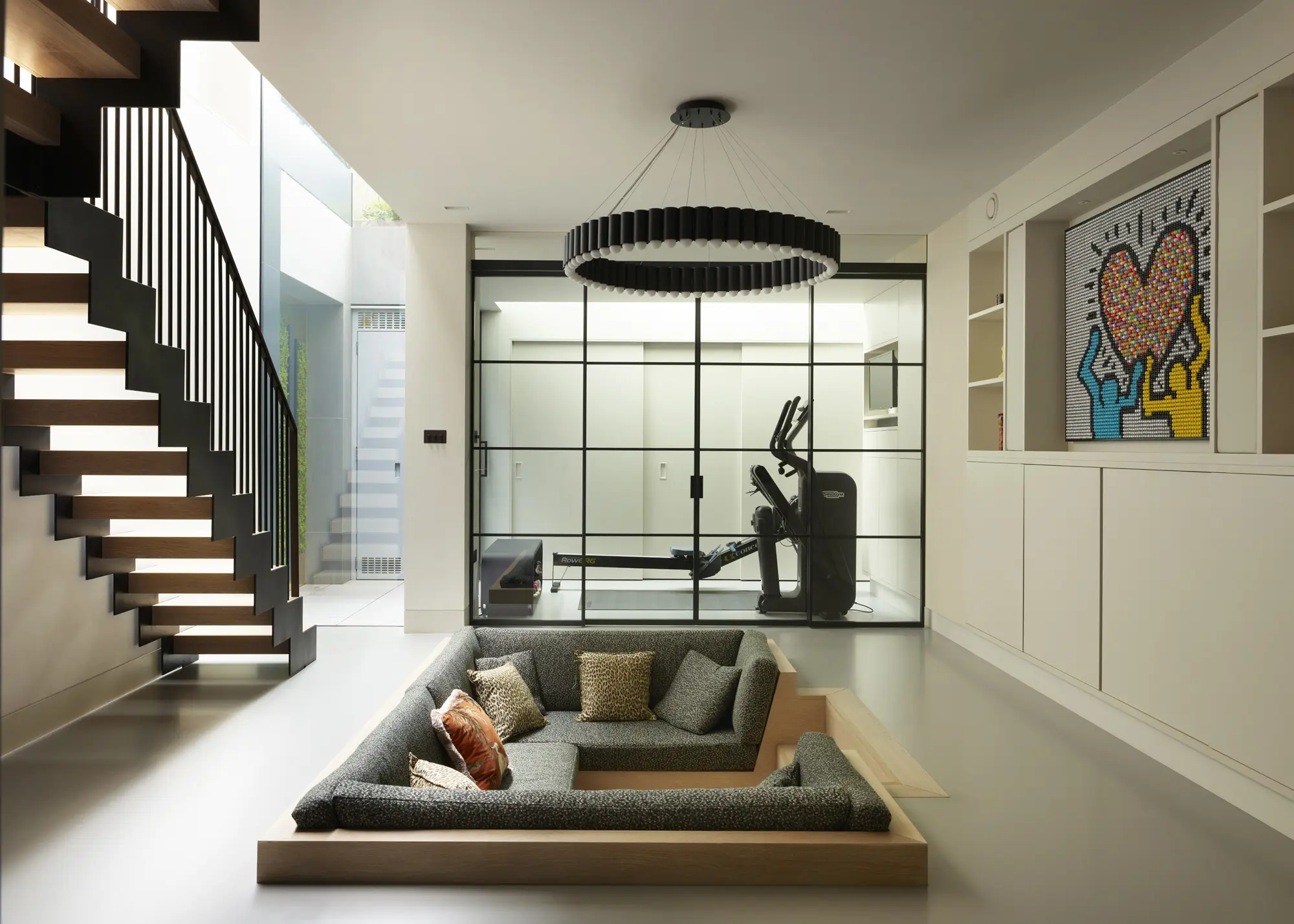
Many homes have spaces that are rarely used because they feel dark, unfinished, or difficult to organize. A basement is a common example. Instead of allowing this area to become a storage space filled with unwanted belongings, homeowners can transform it into a comfortable and useful part of the house.
A finished basement can serve several purposes, depending on the available space and the family’s needs. It could become a home entertainment room, a quiet reading area, a playroom, a personal gym, or even a guest space. The best part is that homeowners can often create a completely different environment without changing the main layout of their property.
However, basement renovation requires more planning than decorating an ordinary room. Moisture, lighting, ceiling height, ventilation, and safety should all be considered before purchasing furniture or starting construction work.
Check the Basement Before Planning Its New Purpose
Before choosing colors, furniture, or decorations, take time to understand the condition of the existing basement. An unfinished space may have exposed pipes, concrete floors, unfinished walls, or limited electrical connections.
Begin by looking for water stains, damp smells, cracks, peeling paint, and signs of mold. These problems should be investigated before covering walls or installing new flooring.
Check whether rainwater collects near the home’s foundation and whether drainage systems are working correctly. If water regularly enters the basement, professional waterproofing or drainage improvements may be necessary.
It is also important to inspect the ceiling and support structures. Low beams, exposed wiring, and plumbing lines may affect the layout and available headroom.
A professional assessment can help identify structural, electrical, and moisture-related concerns before renovation begins.
Create a Basement Layout That Matches Your Lifestyle
The purpose of the basement should guide the entire design. A room used for watching movies needs different furniture and lighting from a basement designed as a home office or exercise area.
If the basement is relatively large, dividing it into separate zones can make the space more useful. One section could contain comfortable seating, while another could be used for games, hobbies, or storage.
In smaller basements, an open layout may work better. Avoid filling every corner with furniture because overcrowding can make the area feel even smaller.
Measure the available space before buying large items. Remember to leave enough room for doors, walkways, stairs, and access to important utility equipment.
Bring More Light Into a Dark Basement
Limited natural light is one of the biggest challenges in basement design. Some basements have small windows, while others have no exterior windows at all.
A good lighting arrangement can make a major difference. Instead of relying on one ceiling fixture, combine different lighting sources to brighten the entire room.
Recessed ceiling lights are useful where ceiling height allows them. Wall lights can add soft illumination, while floor and table lamps can create a more relaxed atmosphere.
Light-colored wall finishes may also help reflect available light. White, cream, pale gray, and other soft shades can make the space appear more open.
If the basement has windows, avoid blocking them with large cabinets or heavy curtains. Keep the surrounding area clean so natural light can enter as freely as possible.
Select Flooring That Can Handle Basement Conditions
Basement flooring should be selected carefully because lower-level spaces can experience more moisture than upper floors.
Before installing any flooring, make sure the concrete surface is dry, stable, and properly prepared. Installing new materials over a damp surface can lead to unpleasant odors, damage, or mold problems.
Luxury vinyl flooring is a popular option because many products are designed to handle moisture better than traditional hardwood. Ceramic and porcelain tiles are also worth considering, especially in areas where easy cleaning is important.
Carpet may create a softer and warmer feeling, but it should only be used when moisture conditions are properly controlled. Choosing an appropriate underlay and flooring system is equally important.
The final selection should match the basement’s condition, intended use, and maintenance requirements.
Make the Walls Feel More Welcoming
Bare concrete or unfinished basement walls can make the area look cold and uninviting. Finishing the walls can help create the appearance of a regular living room.
However, do not install drywall or decorative wall panels over damp surfaces. Moisture problems should be corrected first, and suitable insulation and moisture-control methods should be considered.
Once the walls are ready, paint can provide an affordable way to improve the appearance. Light neutral shades work well in smaller spaces, while one darker accent wall can add depth to a larger entertainment area.
Wall shelves, framed artwork, and simple decorative pieces can make the basement feel connected to the rest of the home.
Turn the Basement Into a Comfortable Entertainment Room
A basement can be an excellent location for family entertainment because it is naturally separated from many everyday activities happening upstairs.
A comfortable sofa, television, suitable lighting, and a small media cabinet can create a relaxing movie area. If space allows, add a few extra chairs or a compact table for snacks and board games.
Sound control is worth considering, particularly if the entertainment room will be used frequently. Rugs, upholstered furniture, and suitable acoustic materials can help reduce echo and improve the listening experience.
Make sure electrical outlets, wiring, and television connections are installed safely. Heavy equipment should have enough ventilation, and cables should be organized to prevent tripping hazards.
Design a Useful Home Gym or Hobby Area
Not every basement needs to become an entertainment room. It can also support hobbies and personal activities.
For a home gym, begin with equipment that matches your available space. A yoga mat, adjustable weights, resistance bands, and a small exercise bench may be enough for a basic workout area.
Choose flooring designed for the equipment and activities you plan to use. Rubber flooring can help protect the underlying surface and provide a more comfortable exercise area.
If you enjoy crafts, painting, or other hobbies, consider creating a dedicated work corner. A sturdy table, storage cabinets, and suitable task lighting can make this space practical without requiring a complicated renovation.
Add Storage Without Making the Room Look Cluttered
Many homeowners use their basements to store seasonal decorations, tools, suitcases, and household supplies. Even after renovation, some storage space may still be necessary.
Built-in cabinets can keep belongings organized while maintaining a clean appearance. Wall-mounted shelves are useful for items that do not need to remain on the floor.
Use labeled storage containers so seasonal belongings can be found easily. Keep frequently used items within reach and place less important belongings in higher or less accessible storage areas.
Avoid storing items directly against walls where moisture inspections may be necessary. Keep utility panels, electrical equipment, and important access points clear.
Improve Ventilation and Temperature Control
A comfortable basement needs more than attractive furniture. Poor ventilation can make the space feel stuffy, while temperature differences may prevent it from being used regularly.
Check whether the existing heating and cooling system can adequately serve the additional living area. Depending on the building, separate temperature controls or additional equipment may be needed.
A dehumidifier can help manage excess moisture when appropriate, but it should not replace proper waterproofing or ventilation.
If the basement has gas appliances, fireplaces, or other combustion equipment, make sure safety requirements are followed. Appropriate carbon monoxide detection and professional inspections are important.
Set a Realistic Basement Renovation Budget
Basement renovation costs depend on the condition of the space, its size, material choices, and the amount of construction required.
Waterproofing, electrical work, plumbing changes, and structural repairs can take up a significant part of the budget. These essentials should be prioritized over decorative upgrades.
Prepare a list of necessary improvements before starting. Get estimates for major work and keep some additional money available for unexpected problems that may appear after construction begins.
You can reduce costs by handling suitable decorating tasks yourself, such as painting or organizing shelves. However, electrical installations, structural changes, and complex moisture repairs should be handled by qualified professionals.
Give Your Home More Useful Living Space
An unused basement does not have to remain a neglected part of the property. With proper preparation, it can become a comfortable room that supports entertainment, exercise, hobbies, storage, or family activities.
The most successful renovation projects begin with practical decisions. Resolve moisture problems, inspect the structure, plan lighting, and choose materials that suit the environment before focusing on decorations.
A thoughtfully renovated basement can make better use of the space your home already has and provide an additional area that feels welcoming, organized, and enjoyable.