A crawl space is one of the most overlooked areas of a home, but problems hidden beneath the floor can affect the entire building. In humid and flood-prone regions, excess moisture, standing water, mold growth, and poor air quality are common concerns that often begin in the crawl space. Many homeowners do not realize that a damp crawl space can contribute to uncomfortable indoor temperatures, unpleasant odors, structural damage, and higher energy costs.
Crawl space encapsulation is a solution designed to protect this hidden part of a home by controlling moisture and creating a cleaner, more stable environment. Instead of leaving the crawl space exposed to outside air and ground moisture, encapsulation involves sealing the area with specialized materials and improving moisture management.
Understanding how crawl space encapsulation works, when it is needed, and whether it is worth the investment can help homeowners make better decisions, especially in areas with heavy rainfall, high humidity, or frequent flooding.
What Is Crawl Space Encapsulation?
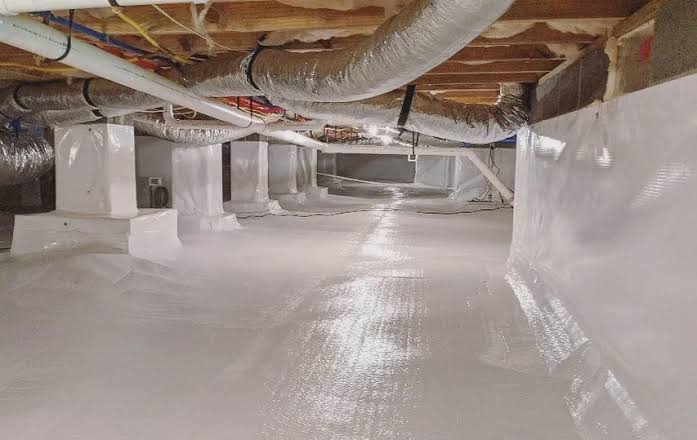
Crawl space encapsulation is the process of sealing a crawl space from outside moisture and air infiltration. The goal is to create a controlled environment by covering exposed soil, sealing vents, insulating walls, and preventing humidity from entering the area.
Traditional crawl spaces often have open vents that allow outdoor air to circulate underneath the home. While this design was once considered helpful, it can create problems in humid climates because warm, moist air enters the crawl space and condenses on cooler surfaces.
An encapsulated crawl space typically includes:
- A heavy-duty vapor barrier installed over the ground and walls
- Sealed crawl space vents
- Insulated foundation walls
- Air sealing around pipes, cables, and openings
- A dehumidification system when necessary
- Drainage solutions for water management
The result is a cleaner, drier, and more controlled space beneath the home.
Why Humid Regions Need Crawl Space Encapsulation
Homes in humid areas face unique moisture challenges. When outdoor humidity enters a crawl space, it can create the perfect conditions for mold, mildew, and wood deterioration.
Warm air carrying moisture can settle on cooler surfaces such as floor joists, pipes, and foundation walls. Over time, this repeated exposure can lead to condensation and moisture accumulation.
Common problems caused by humid crawl spaces include:
- Mold and mildew growth
- Musty smells throughout the home
- Wood rot in structural components
- Increased pest activity
- Damaged insulation
- Poor indoor air quality
- Higher heating and cooling costs
Because many homes exchange air between the crawl space and living areas, problems underneath the house can eventually affect rooms above.
How Flood-Prone Areas Benefit From Encapsulation
Flood-prone regions require additional attention because water intrusion can happen quickly during storms, heavy rainfall, or rising groundwater levels.
Crawl space encapsulation does not make a home completely floodproof, but it can significantly improve moisture control when combined with proper drainage systems.
For flood-prone homes, professionals may recommend additional solutions such as:
- Sump pumps to remove collected water
- French drains around the foundation
- Backup sump pump systems
- Flood-resistant insulation materials
- Foundation waterproofing
- Proper grading around the property
A well-designed crawl space system focuses on controlling both moisture from the ground and water entering from outside sources.
Signs Your Crawl Space May Need Encapsulation
Many homeowners discover crawl space issues only after noticing problems inside the house. Paying attention to early warning signs can prevent expensive repairs.
Some common indicators include:
Persistent Musty Odors
A damp smell coming from floors, closets, or lower areas of the home may indicate moisture problems below.
High Indoor Humidity
If your home feels constantly humid even when the air conditioner is running, the crawl space may be contributing to the issue.
Visible Mold Growth
Mold on wooden beams, insulation, or foundation walls is a clear sign that moisture levels are too high.
Sagging or Damaged Floors
Excess moisture can weaken wooden structures, causing floors to become uneven or soft.
Increased Energy Bills
A poorly sealed crawl space can make heating and cooling systems work harder by allowing uncontrolled air movement.
Crawl Space Encapsulation Process
The exact process depends on the condition of the home, but professional encapsulation usually follows several important steps.
1. Crawl Space Inspection
Before any work begins, the area should be inspected for existing moisture problems, mold, drainage issues, structural damage, and pest activity.
Fixing existing problems before sealing the space is important because encapsulation is not a replacement for repairs.
2. Cleaning and Preparation
Debris, damaged insulation, and unwanted materials are removed. Any existing mold or moisture issues should be addressed before installation.
3. Installing the Vapor Barrier
A durable moisture barrier is placed across the crawl space floor and extended along foundation walls. This prevents ground moisture from entering the area.
Higher-quality barriers are usually thicker and more resistant to tears compared with basic plastic sheets.
4. Sealing Openings
Crawl space vents, gaps, and cracks are sealed to reduce outside air movement. This creates a more controlled environment.
5. Adding Moisture Control Equipment
Depending on the climate and moisture level, homeowners may need a dehumidifier or drainage equipment to maintain proper conditions.
Is Crawl Space Encapsulation Expensive?
The cost of crawl space encapsulation varies depending on several factors, including crawl space size, existing damage, materials used, drainage requirements, and local labor rates.
A simple encapsulation project may cost less, while larger projects involving waterproofing, repairs, insulation, and drainage improvements can require a larger investment.
Although the upfront cost can seem significant, homeowners should consider the long-term benefits, including:
- Reduced moisture damage
- Better indoor comfort
- Improved air quality
- Lower maintenance needs
- Protection of structural components
The value depends heavily on the condition of the home and the local climate.
Common Mistakes Homeowners Make With Crawl Spaces
Crawl space improvements require careful planning. Some common mistakes can reduce effectiveness.
Installing a Vapor Barrier Without Fixing Water Problems
Covering the floor without addressing leaks, drainage, or groundwater issues can trap moisture instead of solving the problem.
Using Low-Quality Materials
Thin plastic sheets may tear easily and fail to provide long-term protection.
Ignoring Ventilation and Humidity Control
A sealed crawl space still needs proper humidity management. Without it, moisture problems can continue.
Treating Encapsulation as a DIY Project Without Knowledge
Small improvements may be possible for experienced homeowners, but complete encapsulation often requires knowledge of drainage, insulation, air sealing, and building practices.
Is Crawl Space Encapsulation Worth It?
For homes located in humid or flood-prone areas, crawl space encapsulation can be a valuable improvement. It addresses one of the most common causes of hidden home damage: uncontrolled moisture.
However, the best results come from a complete approach that includes proper drainage, insulation, air sealing, and regular inspections.
A dry crawl space does more than protect the foundation. It can improve comfort, reduce future repair costs, and create a healthier living environment.
Final Thoughts
Crawl space encapsulation is becoming an important home improvement solution for properties facing moisture challenges. In humid and flood-prone regions, leaving a crawl space exposed can lead to problems that gradually affect the entire home.
By sealing moisture pathways, improving humidity control, and combining encapsulation with proper water management, homeowners can protect their investment and avoid many costly repairs in the future.
Before starting a project, it is important to inspect the crawl space carefully and choose solutions based on the home’s location, construction style, and specific moisture problems. A properly designed crawl space system can provide long-lasting protection and make the entire home more comfortable.