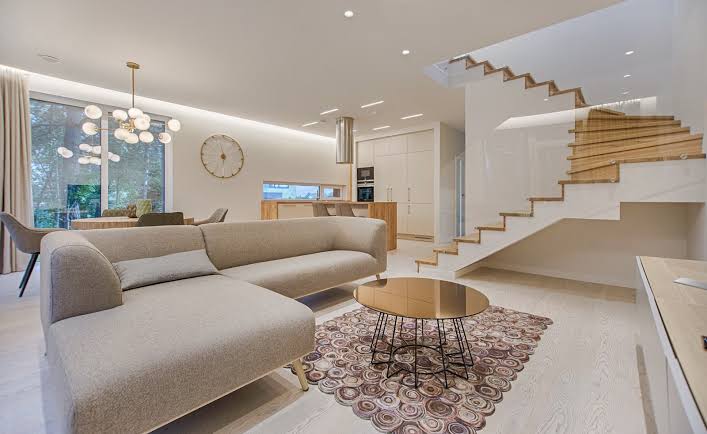
A home is more than just a collection of rooms, furniture, and decorative items. The way a space looks, feels, and functions can directly influence our mood, comfort, productivity, and overall quality of life. This is why some homes instantly feel welcoming while others feel uncomfortable even when they have expensive furniture or modern finishes.
The psychology of home design focuses on how different design choices affect human emotions and behavior. Factors like lighting, colors, layouts, materials, organization, and natural elements all play a role in how people experience a space.
Many homeowners focus only on appearance when planning improvements, but the most successful upgrades are often the ones that improve how a home feels and works every day.
Why Home Design Has a Strong Impact on Human Feelings
People spend a significant amount of time inside their homes, making the environment around them an important part of daily life. A poorly designed space can create stress, frustration, or discomfort, while a thoughtfully designed home can promote relaxation and happiness.
For example, a dark room with limited movement space may feel smaller and less inviting, even if the furniture and decorations are attractive. On the other hand, a room with good lighting, open movement paths, and balanced colors can create a feeling of calmness.
The brain constantly responds to surroundings. It notices whether a space feels organized, safe, comfortable, and suitable for the activities taking place there.
This is why certain home improvements provide benefits beyond visual appeal.
Natural Light Can Transform the Mood of a Home
Lighting is one of the most powerful elements in home design. A room with natural sunlight often feels more spacious, energetic, and connected to the outside world.
Large windows, glass doors, skylights, and better window placement can completely change how a home feels during the day. Natural light helps reduce the feeling of being closed in and creates a more positive atmosphere.
Artificial lighting also matters. A combination of different lighting sources, such as ceiling lights, task lighting, and accent lighting, allows homeowners to create different moods for different activities.
A bright workspace may support focus, while softer lighting in bedrooms and living areas can encourage relaxation.
The Role of Colors in Creating Emotional Responses
Colors are not just decorative choices. They influence how people experience a room.
Warm colors such as beige, soft brown, and muted orange can create feelings of comfort and connection. Cooler shades like blue and green are often associated with calmness and freshness.
However, the impact of color depends on the room, lighting, and personal preferences. A color that feels relaxing in one space may feel overwhelming in another.
Instead of following temporary design trends, homeowners should consider how they want each room to feel.
A bedroom designed for rest may benefit from peaceful tones, while a creative workspace may use colors that encourage energy and inspiration.
Why Organization and Storage Improve Mental Comfort
Clutter does more than make a home look messy. It can create visual stress and make daily tasks more difficult.
Smart storage solutions are one of the most practical home improvements because they help create a sense of order. Built-in cabinets, hidden storage areas, organized closets, and functional furniture can make a space feel cleaner and easier to manage.
A well-organized home reduces unnecessary distractions. When everything has a proper place, people often feel more relaxed and in control of their environment.
This does not mean every home needs to look empty or minimal. The goal is creating a balance between personal belongings and functional space.
How Room Layout Influences Comfort and Movement
The arrangement of rooms and furniture affects how naturally people move through a home.
A living room where furniture blocks walking paths can feel uncomfortable, even if the furniture itself is high quality. Similarly, kitchens designed without considering workflow can make everyday tasks frustrating.
Good home design considers how people actually use spaces.
For example:
- Kitchens should allow smooth movement between cooking areas, storage, and appliances.
- Living rooms should support conversations and relaxation.
- Home offices should separate work activities from distractions.
- Bedrooms should prioritize comfort and rest.
A thoughtful layout makes a home feel easier to live in.
Bringing Nature Indoors Creates a Healthier Feeling
Natural elements have become increasingly popular in modern home design because they create a connection with the outdoors.
Plants, natural wood, stone finishes, and views of outdoor areas can make indoor spaces feel more peaceful.
This approach, often called biophilic design, focuses on incorporating elements of nature into living environments.
Even small changes, such as adding indoor plants or using natural textures, can make a room feel warmer and more inviting.
Why Materials Affect the Way a Home Feels
The materials used in a home influence both appearance and emotional response.
Hard, cold surfaces may create a modern and clean feeling, while softer materials can make spaces feel warmer and more comfortable.
Wood flooring, textured fabrics, natural stone, and quality finishes add character because they create visual and physical experiences.
Homeowners should consider how materials will feel over time, not just how they look on installation day.
A beautiful material that requires excessive maintenance may eventually become a source of frustration.
Comfort Improvements Often Matter More Than Luxury Upgrades
Many people assume that expensive renovations automatically create better homes, but comfort is usually influenced by practical improvements.
Better insulation, improved ventilation, temperature control, noise reduction, and ergonomic designs can have a bigger impact on daily life than expensive decorations.
A home should support the people living inside it.
The best improvements solve real problems, whether that means creating a quieter bedroom, a more functional kitchen, or a relaxing outdoor area.
Designing Homes Around Lifestyle Instead of Trends
One of the biggest mistakes homeowners make is copying popular designs without considering their own needs.
A beautiful home should reflect how people actually live.
A family with children may need durable surfaces and flexible spaces. Someone working remotely may prioritize a comfortable office area. A person who enjoys cooking may benefit more from kitchen improvements than decorative changes.
The psychology of home design is about creating spaces that match human behavior.
Trends come and go, but a home designed around comfort, function, and personal needs remains valuable for years.
Final Thoughts
The most effective home improvements are not only about increasing visual appeal. They are about creating an environment that supports happiness, comfort, and everyday activities.
Small changes in lighting, layout, storage, colors, materials, and natural elements can significantly influence how people feel inside their homes.
Understanding the psychology behind home design helps homeowners make smarter improvement decisions. Instead of focusing only on what looks impressive, the best designs consider what makes a space feel better to live in. A well-designed home is not just beautiful—it works with the people who call it home.