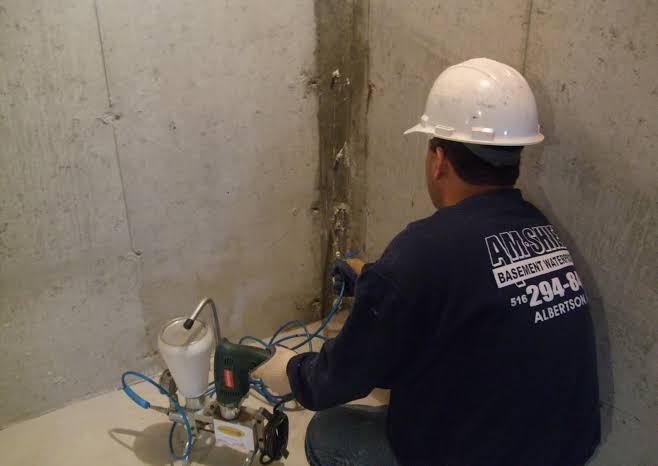
A dry basement is one of the most important parts of a healthy home. When water starts entering through walls, floors, cracks, or drainage systems, it can create problems that go far beyond a little moisture. Mold growth, damaged belongings, unpleasant odors, foundation concerns, and expensive repairs can all develop when basement water issues are ignored.
Many homeowners invest in basement waterproofing expecting a permanent solution, but not every waterproofing project delivers the results they expect. In many cases, the problem is not the waterproofing idea itself but the wrong diagnosis, poor installation, unsuitable drainage methods, or a solution that does not match the actual cause of water intrusion.
Understanding why basement waterproofing projects fail and how to recognize incorrect drainage solutions can help homeowners make better decisions before spending thousands on repairs.
Common Reasons Basement Waterproofing Projects Fail
Basement waterproofing is not a one-size-fits-all process. Every home has different soil conditions, foundation designs, water pressure levels, and drainage challenges. A solution that works perfectly for one property may fail completely on another.
1. Treating Water Symptoms Instead of the Real Cause
One of the biggest mistakes in basement waterproofing is focusing only on where water appears instead of understanding why it is entering.
For example, homeowners may notice water on the basement floor and immediately install a drain system. However, the actual issue may be:
- Poor grading around the home
- Damaged gutters
- Downspouts releasing water near the foundation
- Cracks in foundation walls
- High groundwater levels
- Failed exterior waterproofing
If the source of the water is not addressed, even an expensive interior drainage system may only manage the problem temporarily.
A successful waterproofing project begins with identifying the exact path water is taking into the basement.
2. Choosing the Wrong Drainage System
Drainage is the foundation of effective basement waterproofing. A wrong drainage solution can leave homeowners dealing with the same moisture problems after the project is completed.
Some common drainage mistakes include installing:
- Interior drains when exterior water pressure is the main issue
- Small pumps that cannot handle water volume
- Drainage pipes without proper slope
- Systems without enough discharge planning
- Inadequate gravel or filtration materials
A drainage system must be designed based on the home’s specific conditions, not simply based on what is popular or inexpensive.
3. Ignoring Exterior Water Management
Many basement problems actually begin outside the home. Rainwater and surface water that collect near the foundation can create constant pressure against basement walls.
A waterproofing project may fail if homeowners overlook:
- Clogged gutters
- Short downspouts
- Poor yard grading
- Cracked sidewalks directing water toward the foundation
- Soil that holds excessive moisture
Before installing complicated basement systems, professionals should inspect how water moves around the entire property.
Sometimes a simple improvement, such as extending downspouts several feet away from the house, can reduce basement moisture significantly.
4. Poor Installation Quality
Even the best waterproofing products can fail when installation is not done correctly.
Common installation problems include:
- Improper sealing of foundation cracks
- Incorrect placement of drainage pipes
- Missing waterproof membranes
- Poor connections between drainage components
- Improper sump pump installation
Basement waterproofing requires attention to details because small mistakes can create pathways for water to enter.
Choosing an experienced contractor with proper knowledge of foundations, drainage, and local conditions is often more important than choosing the cheapest quote.
Signs You Have the Wrong Basement Drainage Solution
Homeowners often realize their waterproofing system is not working after noticing repeated problems. Certain warning signs can indicate that the drainage approach was incorrect.
Water Returns After Heavy Rain
If your basement stays dry during normal weather but floods after storms, the drainage system may not be handling the amount of water reaching your foundation.
Possible causes include:
- Undersized drainage pipes
- Poor exterior water control
- Insufficient sump pump capacity
- Incorrect discharge location
A good drainage system should be designed for the worst conditions, not only average rainfall.
Persistent Musty Odors
A basement does not need visible standing water to have a moisture problem. A musty smell often indicates:
- Hidden dampness behind walls
- High humidity levels
- Poor ventilation
- Small leaks that are going unnoticed
If odors continue after waterproofing, the moisture source may still exist.
Mold or Mildew Growth Continues
Mold growth after waterproofing is a major warning sign. It usually means moisture is still entering or humidity levels remain too high.
Possible causes include:
- Incomplete waterproofing
- Condensation problems
- Poor insulation
- Unresolved leaks
Waterproofing should be part of a complete moisture-control strategy, not the only step.
Cracks Continue Expanding
Small foundation cracks are common, but growing cracks can indicate ongoing pressure from soil and water.
A drainage solution that only removes visible water may not solve the underlying pressure problem. In some cases, exterior waterproofing, structural repair, or foundation evaluation may be necessary.
How to Choose the Right Basement Waterproofing Approach
Selecting the right solution starts with understanding the type of water problem affecting your home.
For Minor Moisture Issues
Small moisture problems may improve with:
- Better gutter systems
- Improved landscaping slope
- Crack sealing
- Dehumidification
- Exterior maintenance
Not every basement requires an expensive drainage installation.
For Groundwater Problems
Homes with high groundwater levels may need:
- Interior drainage systems
- Sump pumps
- Backup pumping systems
- Exterior drainage improvements
The goal is to safely move water away before it reaches living spaces.
For Foundation Wall Leaks
Wall leaks often require:
- Crack repair
- Exterior waterproof coatings
- Drainage membranes
- Professional foundation inspection
The right fix depends on whether water is coming through cracks, joints, porous materials, or pressure buildup.
Questions to Ask Before Hiring a Waterproofing Contractor
Before approving a basement waterproofing project, homeowners should ask important questions:
- What is the exact cause of the water problem?
- Why is this drainage method recommended?
- Are there alternative solutions?
- What happens during extreme rainfall?
- Does the system include maintenance requirements?
- What warranties are provided?
- How will water be discharged away from the home?
A trustworthy contractor should explain the problem clearly instead of immediately recommending the most expensive option.
Final Thoughts
Basement waterproofing failures usually happen because the wrong problem was solved. A drainage system may look professional, but if it does not match the home’s water conditions, foundation design, and surrounding environment, moisture problems can return.
The most effective waterproofing projects begin with proper inspection, accurate diagnosis, and a drainage plan designed specifically for the property. Homeowners should focus less on quick fixes and more on understanding where water is coming from and how it can be controlled.
A well-planned basement waterproofing system protects the foundation, improves indoor air quality, prevents costly repairs, and helps maintain the long-term value of the home.