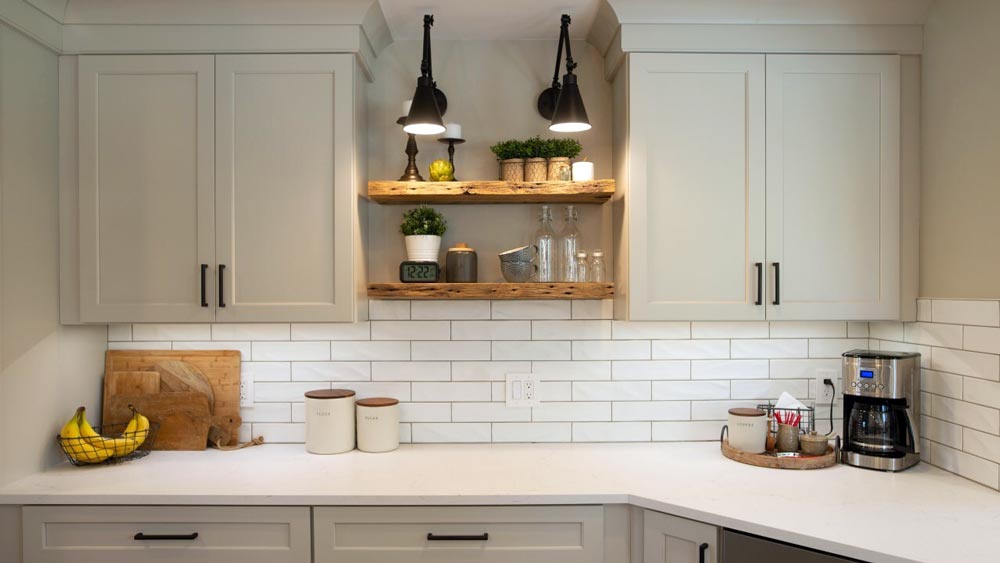
However, while open shelving looks beautiful in magazines and home renovation shows, it’s not the perfect solution for every household. Before replacing your upper cabinets or adding open shelves to your kitchen, it’s important to understand both the advantages and the challenges.
This guide explores the pros and cons of open shelving in modern kitchens, helping you decide whether this popular design trend is the right fit for your home.
What Is Open Shelving?
Open shelving refers to wall-mounted shelves that are left uncovered instead of being enclosed behind cabinet doors. These shelves can be made from wood, metal, glass, or other durable materials and are commonly used to store or display everyday kitchen items.
Unlike traditional cabinets, open shelves keep everything visible and easily accessible, making them both functional and decorative.
Why Open Shelving Has Become So Popular
Modern kitchens increasingly focus on simplicity, functionality, and creating a welcoming atmosphere. Open shelving aligns with these goals by making kitchens feel less enclosed and more connected to the rest of the home.
Many homeowners choose open shelving because it:
- Creates a spacious appearance
- Highlights attractive dishware and décor
- Makes frequently used items easy to reach
- Adds a modern and personalized design element
- Works well in both small and large kitchens
Its clean and minimalist look has made it a favorite in contemporary, farmhouse, Scandinavian, and industrial-style kitchens.
Pros of Open Shelving
Creates a More Open and Spacious Feel
One of the biggest advantages of open shelving is how it visually expands a kitchen.
Traditional upper cabinets can sometimes make a room feel smaller or darker. Replacing some or all of them with open shelves allows more wall space to remain visible, creating a brighter and more open environment.
This is especially beneficial in smaller kitchens where every visual inch matters.
Easy Access to Everyday Items
Open shelves allow you to grab plates, bowls, mugs, spices, or cooking essentials without opening cabinet doors.
This convenience can make daily cooking and meal preparation more efficient.
Frequently used items remain within easy reach, saving time during busy mornings or family dinners.
Adds Decorative Appeal
Open shelving isn’t just about storage—it also becomes part of your kitchen’s décor.
You can display:
- Matching dinnerware
- Glass jars
- Cookbooks
- Indoor herbs
- Small plants
- Ceramic bowls
- Decorative serving trays
- Handmade pottery
These personal touches help create a warm and inviting kitchen.
Budget-Friendly Option
Installing open shelves is often less expensive than purchasing and installing a full set of upper cabinets.
If you’re renovating on a budget, replacing only a few cabinets with shelves can reduce costs while still achieving a fresh, updated appearance.
Encourages Better Organization
Since everything remains visible, open shelving naturally encourages homeowners to stay organized.
Neatly arranged dishes and accessories create a clean appearance, while clutter quickly becomes noticeable.
Many people find that open shelves motivate them to keep only the items they actually use.
Flexible Design Choices
Open shelving is available in many styles and materials.
Popular choices include:
- Solid wood shelves
- Floating shelves
- Metal shelving
- Glass shelves
- Rustic reclaimed wood
- Industrial pipe shelving
This variety makes it easy to match almost any kitchen design.
Easy to Update
Changing the look of open shelving is simple.
You can refresh your kitchen by rearranging dishes, adding seasonal decorations, introducing new plants, or replacing accessories without making major renovations.
Small design updates can dramatically change the overall appearance.
Cons of Open Shelving
Dust and Grease Build-Up
One of the biggest disadvantages of open shelving is increased cleaning.
Unlike cabinets with doors, open shelves expose everything to:
- Dust
- Cooking grease
- Steam
- Food particles
Items stored near the stove may require regular wiping to stay clean.
Homeowners who cook frequently may notice buildup more quickly.
Requires Constant Organization
Open shelving doesn’t hide clutter.
Every item remains visible, meaning messy stacks of dishes or mismatched containers can make the entire kitchen appear untidy.
Maintaining an attractive appearance requires regular organization.
Limited Hidden Storage
Traditional cabinets provide concealed storage for items that aren’t visually appealing.
Open shelves don’t offer this luxury.
Items such as:
- Plastic containers
- Cleaning supplies
- Small appliances
- Food packaging
- Mixing bowls
may still need closed cabinets elsewhere in the kitchen.
Less Protection for Kitchenware
Cabinet doors protect dishes from dust and accidental splashes.
Open shelves leave glasses, plates, and bowls exposed.
Although this isn’t a major issue for frequently used items, rarely used pieces may need occasional cleaning before use.
Weight Limitations
Floating shelves can support significant weight when properly installed, but every shelf has its limits.
Heavy appliances, large cookware, or overloaded shelves can cause sagging or damage if the installation isn’t suitable for the load.
Choosing quality hardware and proper wall anchors is essential.
Not Ideal for Every Household
Busy families with young children may find open shelving less practical.
Children can easily reach items stored on lower shelves, increasing the risk of accidents or broken dishes.
Households with pets may also need to consider shelf placement carefully.
Design Mistakes Are More Noticeable
Because everything remains visible, poor styling stands out immediately.
Random colors, overcrowded shelves, or mismatched dishes can make a kitchen feel cluttered rather than modern.
A balanced arrangement is key to achieving the desired look.
Best Items to Store on Open Shelves
Not every kitchen item belongs on display.
Open shelving works best for attractive, frequently used essentials.
Good choices include:
- Dinner plates
- Bowls
- Coffee mugs
- Glassware
- Cookbooks
- Spice jars
- Wooden cutting boards
- Decorative baskets
- Indoor plants
- Serving dishes
- Ceramic containers
Keeping these items organized creates a functional and visually appealing display.
Items Better Stored in Closed Cabinets
Some kitchen items are better hidden behind cabinet doors.
These include:
- Cleaning products
- Plastic storage containers
- Bulk food packages
- Small kitchen appliances
- Paper towels
- Aluminum foil
- Plastic wrap
- Rarely used cookware
Using both open shelving and traditional cabinets often provides the best balance.
Tips for Styling Open Shelves
If you decide to install open shelving, thoughtful styling can make a big difference.
Some simple ideas include:
- Use matching dishes whenever possible.
- Group similar items together.
- Leave some empty space to avoid overcrowding.
- Add greenery with small indoor plants.
- Mix decorative pieces with functional items.
- Store everyday essentials at eye level.
- Keep heavier items on lower shelves.
A well-balanced display creates a clean and inviting kitchen.
Maintenance Tips
Open shelving requires regular upkeep to maintain its appearance.
Simple maintenance includes:
- Dust shelves weekly.
- Wipe away grease buildup regularly.
- Organize items after use.
- Avoid overcrowding.
- Clean displayed dishes periodically.
- Tighten mounting hardware during annual inspections.
Routine care helps preserve both the shelves and the items displayed on them.
Is Open Shelving Right for Small Kitchens?
In many cases, yes.
Replacing bulky upper cabinets with open shelves can make compact kitchens feel larger and brighter.
However, because storage space is limited, many homeowners combine a few open shelves with lower cabinets and pantry storage to maximize functionality.
Open Shelving vs Traditional Cabinets
| Feature | Open Shelving | Traditional Cabinets |
|---|---|---|
| Appearance | Modern and open | Classic and enclosed |
| Storage Capacity | Moderate | High |
| Cleaning | Requires frequent dusting | Easier to keep contents clean |
| Accessibility | Very easy | Good |
| Cost | Generally lower | Usually higher |
| Decorative Appeal | Excellent | Limited |
| Hidden Storage | No | Yes |
| Organization | Always visible | Clutter can be hidden |
Frequently Asked Questions
Is open shelving going out of style?
No. While design trends continue to evolve, open shelving remains popular because of its functionality and ability to create a bright, personalized kitchen. Many homeowners now combine open shelves with traditional cabinets for a timeless look.
Does open shelving make a kitchen look bigger?
Yes. Removing some upper cabinets and replacing them with open shelves can create the illusion of a larger, more open space.
Is open shelving difficult to maintain?
It requires more regular cleaning than enclosed cabinets because shelves and displayed items are exposed to dust and cooking residue.
Can open shelves hold heavy dishes?
Yes, provided they are made from durable materials and installed securely using appropriate wall anchors and mounting hardware.
Should I replace all my upper cabinets with open shelves?
Not necessarily. Many homeowners achieve the best balance by using open shelving for display and everyday items while keeping traditional cabinets for concealed storage.
Final Thoughts
Open shelving can transform a modern kitchen by creating a brighter, more spacious, and visually appealing environment. It offers easy access to everyday essentials, encourages better organization, and provides an opportunity to showcase beautiful dishware and personal décor. At the same time, it requires regular cleaning, thoughtful styling, and a commitment to keeping visible items neat and organized.
Before making the switch, consider your cooking habits, storage needs, household size, and design preferences. For many homeowners, combining open shelving with traditional cabinets delivers the perfect balance of style and practicality. With careful planning and regular maintenance, open shelves can become both a functional storage solution and a standout design feature that enhances your kitchen for years to come.